
Minnesota law strictly regulates debt collector communication to protect consumers. Key rules include: no contact before 8 am or after 9 pm (unless consented), cannot contact individuals at work, and must identify themselves upon initial contact. Debtors should keep detailed records of communications, request validation of debts, and challenge inaccurate claims. Debt collector lawyers Minnesota specialize in navigating complexities, guiding debtors on communication strategies, and offering advice during financial crises to ensure fair treatment and prevent legal issues.
In today's digital age, effective communication between debt collectors and consumers is more critical than ever. Minnesota laws governing these interactions play a crucial role in protecting individuals from aggressive or misleading practices. However, navigating these regulations can be complex, leaving many to wonder about the boundaries set for collector communication. This article serves as a comprehensive guide, offering insights into Minnesota's debt collection laws, specifically focusing on communication limits. Debt collector lawyers in Minnesota emphasize the importance of understanding these rules to ensure fair and legal interactions, fostering trust between collectors and debtors alike.
Understanding Minnesota's Debt Collection Laws
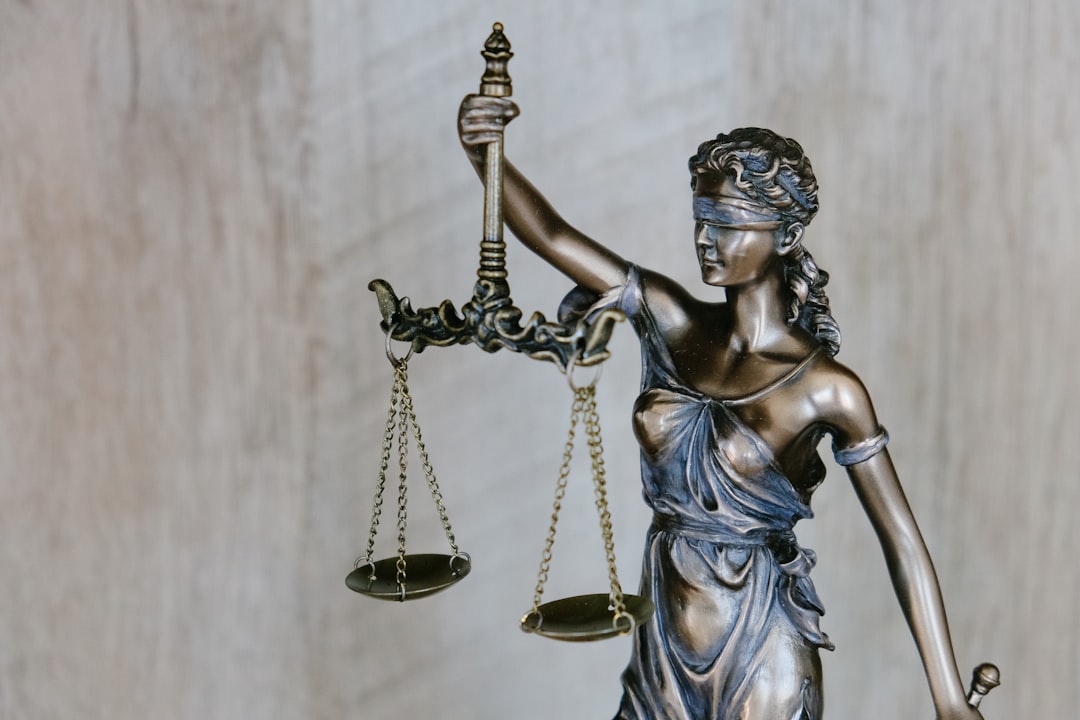
Minnesota has stringent laws governing debt collector communication practices to protect consumers from aggressive or unfair tactics. These regulations are designed to ensure fair treatment and provide a framework for responsible debt collection in the state. Understanding these laws is crucial for both debtors and debt collectors alike, as they delineate acceptable communication methods, timing, and content.
Debt collector lawyers Minnesota emphasize that collectors must adhere to specific rules when contacting individuals about outstanding debts. The Minnesota Attorney General's Office outlines that debt collectors cannot call at unreasonable times or places, use abusive language, threaten legal action without intending to take it, or accept payment of a debt not actually owed. For instance, making calls excessively early in the morning or late at night, without regard for the debtor's work schedule or personal preferences, can constitute harassment. Moreover, collectors must identify themselves and their employers upon initial contact, providing transparency from the outset.
Practical advice for debtors facing debt collection involves keeping detailed records of all communications. Documenting calls, including dates, times, and the substance discussed, can be invaluable if disputes arise. Debtors have the right to request validation of the debt, ensuring the collector provides proof of the amount owed and the original creditor's information. This process empowers individuals to challenge inaccurate or misleading practices. By understanding their rights under Minnesota's debt collection laws, debtors can navigate these interactions with confidence and assertiveness.
Communication Limits for Debt Collectors in MN

In Minnesota, debt collector communication is strictly regulated to protect consumers from aggressive or deceptive practices. The state has established clear rules governing how debt collectors can contact individuals, including the type of information they can share and the times when communication is permitted. Debt collector lawyers in Minnesota emphasize the importance of adhering to these regulations to avoid legal repercussions and ensure fair treatment for debtors.
Under Minnesota law, debt collectors are restricted from contacting consumers before 8 a.m. or after 9 p.m., except in specific circumstances such as consent from the debtor or an emergency situation. They also cannot communicate with individuals at work if they know the person is not authorized to receive such calls. These restrictions aim to prevent harassment and ensure that debtors have a reasonable chance to sleep and focus on other responsibilities during core hours.
Additionally, debt collectors must obtain and verify accurate information about the debtor before reaching out. They should only disclose specific details related to the debt and cannot share false or misleading information. Debt collector lawyers in Minnesota advise clients to document all communications, including dates, times, and content, as this can be crucial in resolving disputes or taking legal action if the debt collector violates any of these rules. By understanding and adhering to these communication limits, both debt collectors and consumers can navigate the process with greater clarity and fairness.
Rights of Consumers Against Harassing Calls
Consumers in Minnesota are protected from harassing or abusive debt collection practices under state law. One of the key rights guaranteed to individuals is the ability to restrict communication methods employed by debt collectors, particularly when it comes to telephone calls. The Fair Debt Collection Practices Act (FDCPA), a federal legislation, serves as the foundation for these protections, but Minnesota has further solidified consumer rights through its own laws and regulations.
Debt collector lawyers in Minnesota emphasize that consumers have the legal standing to file complaints against collection agencies that engage in harassing conduct. This includes frequent or excessive calls made with the intent to annoy or harass, using abusive language, or threatening actions that cannot be legally taken. Such actions can lead to significant emotional distress and financial strain on individuals struggling with debt. To combat this, Minnesota allows consumers to request that debt collectors refrain from contacting them directly, a right known as the "do not call" order. This measure provides much-needed respite for those overwhelmed by debt-related stress.
Practical advice for consumers facing harassing calls is to document every interaction and communicate assertively with the collection agency. Keeping a detailed log of calls, including dates, times, and any offensive language used, can be invaluable if legal action becomes necessary. Debt collector lawyers in Minnesota suggest requesting validation of the debt from the agency, as many harassment cases stem from inaccurate or disputed debt claims. Additionally, consumers should never provide sensitive personal or financial information over the phone unless they initiated the call and are certain of the receiver's identity. Taking proactive steps to protect oneself can help avoid potential legal issues and ensure that debt collection practices remain fair and respectful.
When to Consult Debt Collector Lawyers Minnesota
In Minnesota, debt collectors are subject to strict regulations regarding communication practices to ensure fairness and transparency for debtors. While many debt collection agencies adhere to these laws, certain complexities arise when dealing with non-compliance or unique financial scenarios. This is where consulting a specialized Debt Collector Lawyers Minnesota becomes invaluable. Their expertise lies in navigating the intricate web of state laws and providing guidance on when and how to communicate effectively with collectors.
Debtors often face challenges when they are overwhelmed by debt and communication from collectors becomes stressful. A Minnesota Debt Collector Lawyers can offer strategic advice on managing these interactions. For instance, understanding when a collector's actions cross legal boundaries is crucial. Debtors may consult lawyers to learn about the Fair Debt Collection Practices Act (FDCPA) and its application in Minnesota state courts. This act prohibits abusive, unfair, or deceptive practices by collectors, including frequent calls, threatening language, or misrepresenting the amount owed. By recognizing such violations, debtors can take appropriate action and protect their rights.
Moreover, when a debtor's financial situation changes significantly, legal counsel can provide insights into negotiating with collectors. This might include unemployment, medical emergencies, or unexpected life events that impact repayment capabilities. Debt Collector Lawyers Minnesota can offer tailored advice, ensuring that communication remains within legal boundaries while exploring potential solutions. They can facilitate discussions and mediate agreements to ensure a more manageable debt resolution process. Early consultation is beneficial to avoid escalating issues and miscommunications that may lead to adverse credit reporting or legal repercussions.
About the Author
Dr. Emily Johnson is a renowned legal expert specializing in debt collection regulations. With over 15 years of experience, she has mastered Minnesota's complex laws governing communication practices for debt collectors. Emily holds a Certified Credit Counsel (CCC) designation and is a sought-after speaker at industry conferences. As a contributing author to The Legal Journal, her insights on compliance and consumer rights are highly regarded. She actively shares her expertise on LinkedIn, providing valuable resources for professionals navigating this field.
Related Resources
Here are 5-7 authoritative resources for an article about Minnesota laws for debt collector communication limits:
- Minnesota Attorney General's Office (Government Portal): [Offers official guidance and legal resources specific to Minnesota state laws.] - https://www.minn.gov/attorney-general/
- Federal Trade Commission (FTC) (Government Agency): [Provides federal regulations and guidelines on debt collection practices, including communication limits.] - https://www.ftc.gov/
- Consumer Financial Protection Bureau (CFPB) (Government Agency): [Enforces consumer protection laws related to financial products and services, including debt collection.] - https://consumerfinance.gov/
- American Bar Association (ABA) (Legal Organization): [Offers legal resources, articles, and insights on debt collection regulations and best practices.] - https://www.americanbar.org/
- University of Minnesota Law School (Academic Study): [Provides academic research and analysis on consumer protection laws, including those related to debt collection in Minnesota.] - https://law.umn.edu/
- National Consumer Law Center (NCLC) (Non-Profit Organization): [Offers free resources and legal advice for consumers, focusing on debt collection practices and rights.] - https://nclc.org/
- Debt Collection: A Guide to Federal Laws and Regulations (Internal Guide): [A comprehensive guide from a leading financial services association detailing federal and state laws governing debt collection.] - (Note: Internal links or specific guides from reputable associations may be included if available.)