
Minnesota debt collection practices are governed by the Minnesota Fair Debt Collection Practices Act (MFDCPA) and federal laws like the FDCPA. Key rules include communication restrictions, debt validation, documentation, and consumer dispute rights. A lawyer for debt collector laws Minnesota is vital to ensure ethical collection methods, navigate legal complexities, and protect both collectors and consumers from violations. Consult early for guidance on harassment, false statements, complex debts, or bankruptcy.
Navigating the complex landscape of debt collection laws is a delicate matter, especially within the state of Minnesota. With stringent regulations in place to protect consumers, ensuring compliance can be challenging for even the most seasoned debt collectors. This comprehensive guide aims to demystify these rules and provide valuable insights into the best practices for effective and legal debt collection. Understanding the intricate details is crucial, as non-compliance may lead to severe consequences. Engaging the expertise of a lawyer specializing in Minnesota debt collector laws can offer clarity and strategic guidance, ensuring your collection processes remain fair, transparent, and within regulatory bounds.
Understanding Debt Collector Laws in Minnesota
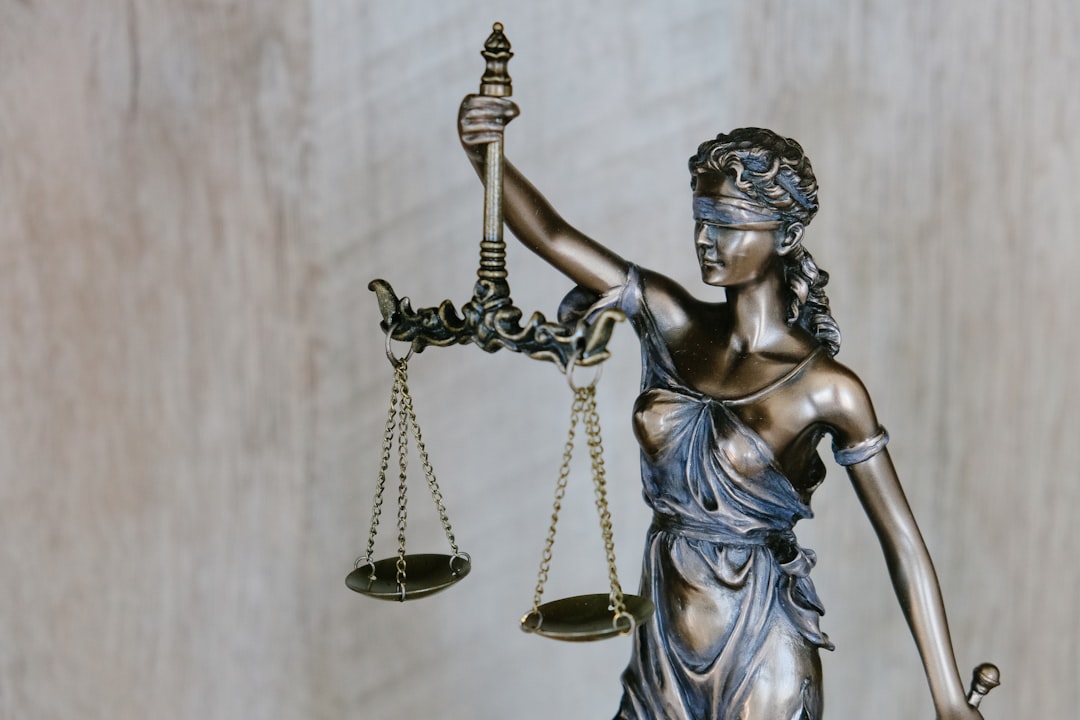
In Minnesota, debt collection practices are heavily regulated to protect consumers from aggressive or unfair tactics. The Minnesota Attorney General's Office plays a pivotal role in enforcing these rules, ensuring that debt collectors adhere to strict guidelines. One of the primary statutes governing this sector is the Minnesota Fair Debt Collection Practices Act (MFDCPA), which closely mirrors federal regulations, such as the Fair Debt Collection Practices Act (FDCPA). This legislation outlines the permitted and prohibited actions for debt collectors, providing a clear framework for both parties involved.
Debt collectors in Minnesota must comply with specific rules regarding communication methods, hours of contact, and the disclosure of information. For instance, they are restricted from contacting consumers before 8 am or after 9 pm, except under certain circumstances. Additionally, they must obtain and verify the debt before engaging in any collection activities and provide the consumer with validation of the debt upon request. These rules aim to prevent harassing behavior and ensure transparency. A lawyer specializing in Minnesota debt collector laws can offer valuable guidance on navigating these regulations, assisting both collectors and consumers in understanding their rights and responsibilities.
Another crucial aspect is the documentation and record-keeping requirements. Debt collectors must maintain detailed records of all communications with consumers, including the dates, times, and content of each interaction. This documentation serves as a safeguard for both parties, ensuring accountability and providing a means to resolve disputes. Furthermore, Minnesota law permits consumers to dispute the validity or amount of a debt, triggering a strict timeline for the collector to provide verification or cease collection efforts. By understanding and adhering to these rules, debt collectors can mitigate legal risks and maintain ethical practices.
Legal Obligations & Fair Practices: A Deep Dive

In Minnesota, debt collectors operate within a stringent legal framework designed to protect consumers from abusive or unfair practices. The Minnesota Attorney General's Office enforces these rules, which are based on federal laws like the Fair Debt Collection Practices Act (FDCPA), and also includes state-specific regulations. A key aspect of this framework is the delineation of legal obligations and fair practices for debt collectors, underscoring the importance of ethical and transparent interactions with debtors.
One critical rule involves communication methods and timing. Debt collectors must identify themselves and the entity they represent, and may not contact consumers at unreasonable times or places, such as before 8 a.m. or after 9 p.m., unless the debtor consents otherwise. Additionally, they are prohibited from using abusive language, threatening or coercive behavior, or falsely representing the nature of the debt. For instance, a lawyer for debt collector in Minnesota would advise clients to avoid statements that could be perceived as false or misleading, such as claiming to represent a government agency when they do not.
Another significant area is documentation and validation. Consumers have the right to request verification of their debt within 30 days of initial contact. Debt collectors must provide this information in writing, detailing the amount owed, the name of the original creditor, and the date of the last payment. Failure to comply with these rules can lead to legal repercussions, as evidenced by recent cases where debtors successfully sued for violations related to inadequate debt validation. Practical advice for debt collectors is to maintain meticulous records and ensure all communications are properly documented, minimizing the risk of non-compliance and potential lawsuits.
When to Consult a Lawyer for Debt Collectors in MN

In Minnesota, debt collectors must adhere to strict rules and regulations outlined by both state and federal laws, such as the Fair Debt Collection Practices Act (FDCPA). These laws protect consumers from aggressive or unfair practices by debt collectors. However, navigating these complexities can be challenging for individuals who may not fully understand their rights. Consulting a lawyer for debt collector laws Minnesota is advisable in several scenarios.
For instance, if a debt collector has violated your rights under the FDCPA, seeking legal counsel is crucial. This includes instances of harassment, false or misleading statements, or the use of abusive language when attempting to collect a debt. Additionally, if you believe a debt collector is incorrectly identifying themselves, misrepresenting the amount owed, or engaging in unfair collection practices, contacting a lawyer specializing in Minnesota debt collector laws can help. They can guide you through the process of filing a complaint with regulatory bodies like the Minnesota Attorney General's Office and potentially pursuing legal action.
Moreover, when facing complex debt situations, including student loans, medical bills, or high-dollar collections, having a lawyer on your side offers significant advantages. Legal professionals can help negotiate with creditors, explain intricate laws and regulations, and develop strategies to manage or resolve debts effectively. They can also provide guidance on bankruptcy options, which might be an appropriate solution in extreme cases. Regularly updating debt collection laws demand expert knowledge; a lawyer ensures you receive accurate, current advice tailored to Minnesota's legal framework.
In summary, consulting a lawyer for debt collector laws Minnesota is recommended when faced with potential violations of your rights, complex debt issues, or uncertainty navigating the regulatory landscape. Early legal intervention can prevent further complications and protect your financial interests.