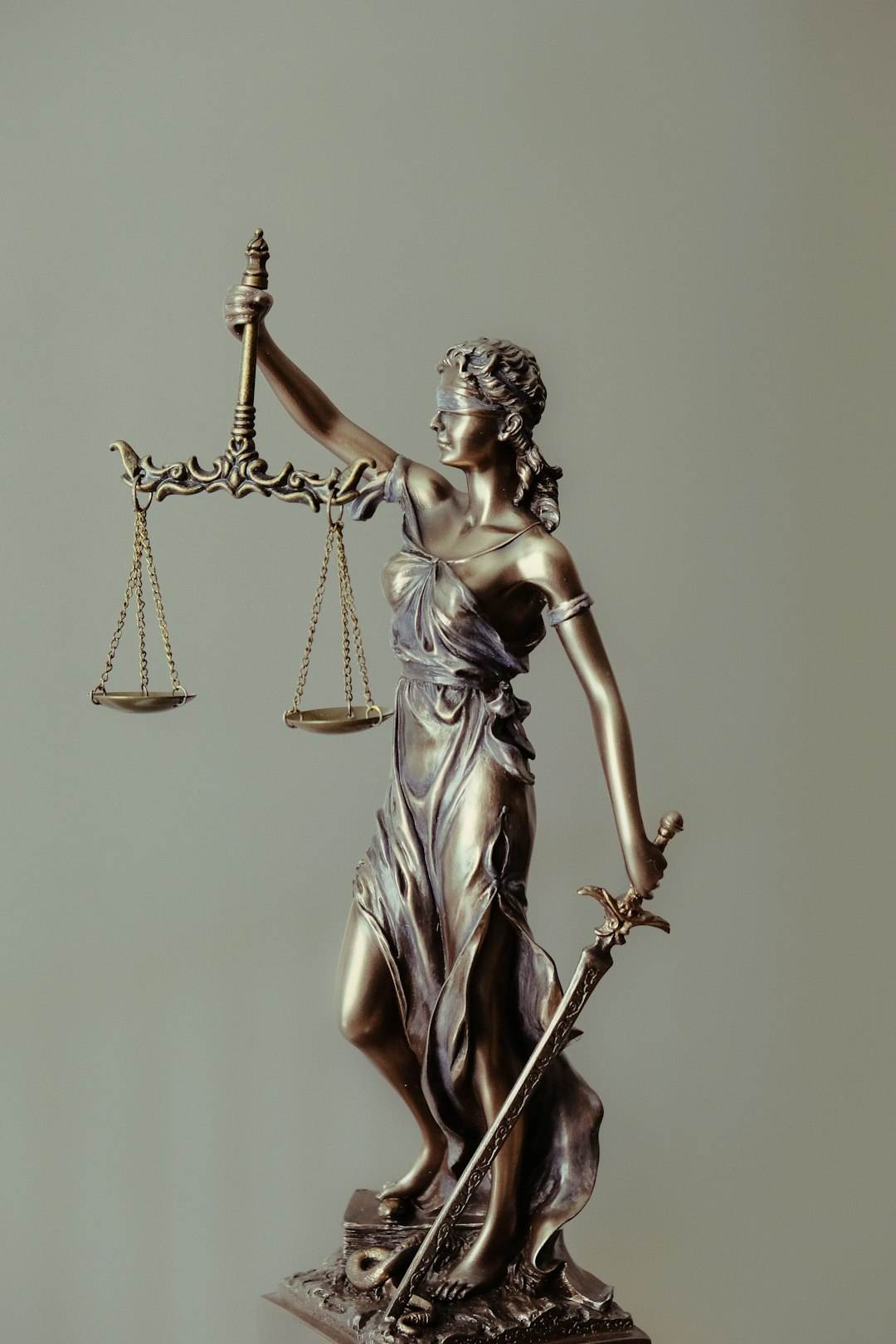
Understanding abusive debt collection practices in Minnesota is crucial. State laws and federal regulations like the Fair Debt Collection Practices Act (FDCPA) protect consumers from unfair tactics. Consumers have rights to dispute debts and record conversations. A lawyer for debt collector laws Minnesota guides both parties, ensuring ethical conduct and avoiding legal repercussions. Document abusive practices and consult a lawyer for potential action against collectors. Engaging legal counsel is advisable in cases of violation, failed negotiations, or extreme collection actions. Asserting rights and documenting interactions can deter harassment and lead to legal options if needed.
Debt collection practices can significantly impact individuals' financial stability and mental well-being, especially when they turn abusive. In Minnesota, where the economy thrives but financial pressures persist, protections against such misconduct are vital. Despite laws like the Fair Debt Collection Practices Act (FDCPA) offering guidelines, enforcement remains crucial to safeguard consumers. This article delves into the complexities of debt collection abuse in Minnesota and explores the role a specialized lawyer for debt collector can play in restoring justice. By understanding these protections, individuals can take charge, ensuring fair treatment and legal recourse when necessary.
Understanding Abusive Debt Collection Practices in Minnesota

Understanding Abusive Debt Collection Practices in Minnesota is crucial for both consumers and debt collectors alike. In this state, debt collection practices are governed by strict laws designed to protect individuals from unfair or aggressive tactics. According to a recent survey, Minnesota consumers reported higher-than-average levels of dissatisfaction with debt collectors, highlighting the need for transparency and accountability. A lawyer for debt collector laws Minnesota can offer valuable insights into these regulations, ensuring that both parties adhere to ethical standards.
One key aspect is the Fair Debt Collection Practices Act (FDCPA), a federal law that sets forth rules on how debt collectors must conduct themselves. In Minnesota, these rules are reinforced by state-specific legislation. For instance, collectors must provide valid identification, state the amount owed, and offer a clear explanation of the consequences if the debt remains unpaid. They are prohibited from using abusive language, threatening actions, or repeatedly contacting individuals to harass them. A lawyer specializing in this area can help debt collectors navigate these complexities, avoiding potential legal repercussions.
Consumers in Minnesota have rights too. They are entitled to dispute the validity of a debt and request verification from the collector. Additionally, consumers can record conversations with collectors (with proper notification) to protect themselves against false claims. If a debt collector engages in abusive practices, individuals should document these incidents and consult a lawyer for debt collector laws Minnesota. Legal action may include filing complaints with regulatory bodies or pursuing litigation, ensuring that collectors are held accountable for their actions.
Legal Rights Against Unfair Collectors: What You Need to Know

In Minnesota, individuals facing debt collection have a set of legal rights designed to protect them from abusive or unfair practices. These rights are detailed in both state and federal laws, including the Fair Debt Collection Practices Act (FDCPA). The FDCPA prohibits debt collectors from using abusive, false, or deceptive means when attempting to collect a debt. This includes threatening language, misrepresenting the amount owed, or contacting individuals at inconvenient times.
One of the most powerful tools available to Minnesota residents is the right to challenge the validity of a debt. If you believe a debt is inaccurate or not yours, you have 30 days from the time you receive a collection notice to dispute it in writing. This dispute must be sent to the debt collector and your local consumer reporting agencies. A lawyer for debt collector in Minnesota can guide you through this process, ensuring that your rights are protected and any incorrect information is corrected. Additionally, collectors cannot continue contacting you if they know or should know that you are represented by an attorney.
If a debt collector violates these laws, individuals have the right to take legal action. This may include suing the collector for damages, including actual costs and attorneys' fees. It's crucial to act promptly; many states have statutes of limitations on such cases, meaning there are time limits to file. Minnesota's strong consumer protection laws aim to hold debt collectors accountable and provide a safety net for consumers facing aggressive collection tactics. Seeking advice from a qualified lawyer for debt collector in Minnesota can help you navigate these complex issues and assert your rights effectively.
When to Hire a Lawyer for Debt Collector Issues in MN

In Minnesota, consumers facing abusive debt collection practices have legal protections under state and federal laws, including the Fair Debt Collection Practices Act (FDCPA). However, navigating these complex regulations can be challenging for individuals who are unsure of when to hire a lawyer for debt collector issues. Engaging the services of a qualified lawyer for debt collector in Minnesota is advisable in several scenarios.
Firstly, if you believe that a debt collector has violated your rights under the FDCPA or other relevant laws, legal counsel can provide invaluable assistance. The FDCPA prohibits abusive, false, misleading, or unconscionable collection tactics, such as threatening language, repeated calls with intent to annoy, or misrepresenting amounts owed. A lawyer for debt collector in Minnesota can help determine if your rights have been infringed and guide you through the process of filing a complaint with regulatory bodies like the Consumer Financial Protection Bureau (CFPB).
Moreover, hiring a lawyer for debt collector is recommended when negotiations with collectors fail or when collections efforts escalate despite your concerted efforts to resolve the issue amicably. Legal representation can offer strategic advice on managing communication and documents related to your debt, ensuring that any agreements are legally sound. For instance, a lawyer can review settlement offers, validate the validity of debts, and ensure fair terms, protecting you from potential legal repercussions or further harassment.
Additionally, consumers facing wage garnishment, property seizure, or other extreme collection actions should strongly consider seeking legal aid. A lawyer for debt collector in Minnesota can help navigate the intricacies of these situations, exploring options like debt negotiation, settlement, or even bankruptcy as viable alternatives to drastic collection measures. By understanding your rights and available resources, you can make informed decisions tailored to your unique circumstances.
Effective Strategies to Protect Yourself from Harassment

In Minnesota, abusive debt collection practices are taken seriously. Individuals have several protections against harassment from debt collectors under state laws. If you're facing relentless calls, threats, or other aggressive tactics, it's crucial to understand your rights and available strategies. Engaging a lawyer for debt collector issues in Minnesota can provide expert guidance tailored to your situation.
One effective strategy is to document all interactions with debt collectors. Keep a record of dates, times, and the content of conversations. Note any threats or abusive language used towards you. This detailed log becomes essential evidence if you decide to file a complaint with the Minnesota Attorney General's Office or take legal action. For instance, understanding your rights under the Fair Debt Collection Practices Act (FDCPA) is pivotal. This federal law prohibits debt collectors from using abusive, false, or deceptive means in their collection efforts. A lawyer can help interpret these laws and determine if a collector has violated your rights.
Another proactive step is to communicate your concerns clearly and assertively. Inform the debt collector in writing that you consider their behavior abusive and demand it cease immediately. This document should be kept for your records. Additionally, many debt collectors have strict rules about what they can and cannot do when contacting consumers. Knowing these rules and asserting your rights under them can deter further harassment. For example, a collector may be restricted from contacting you before 8 am or after 9 pm, on weekends or holidays, without your permission.
Should the harassment persist, consulting with a lawyer specializing in debt collection law in Minnesota is advisable. They can help navigate legal options, such as filing a lawsuit for damages or seeking an injunction to stop the harassing behavior. With their expertise, individuals can protect themselves and ensure debt collectors adhere to fair and legal collection practices.