
Minnesota residents are protected from debt collection harassment by state statutes and federal regulations like the FDCPA. Key provisions include restrictions on call times, bans on false statements, and mandates for debt validation. Violations can result in substantial damages. Residents should document communications, maintain records, report suspected violations, and consult a debt collector Attorney Minnesota for guidance and legal action. Prompt action is crucial as time limits exist for filing claims. Understanding and exercising these protections ensures fairer debt resolution.
Debt collection practices can significantly impact the lives of Minnesota residents, often leading to stress and financial strain. Harassment from debt collectors is a growing concern, as aggressive tactics can escalate into legal issues. Protecting individuals from such misconduct is crucial, especially with the ever-evolving landscape of debt recovery methods. This article delves into the comprehensive guide to debt collection harassment laws in Minnesota, empowering residents and offering clarity. With an emphasis on understanding one’s rights, we provide valuable insights, ensuring that both debtors and creditors understand their obligations. A debt collector Attorney Minnesota can offer specialized guidance tailored to these unique regulations.
Understanding Debt Collection Harassment Laws in Minnesota
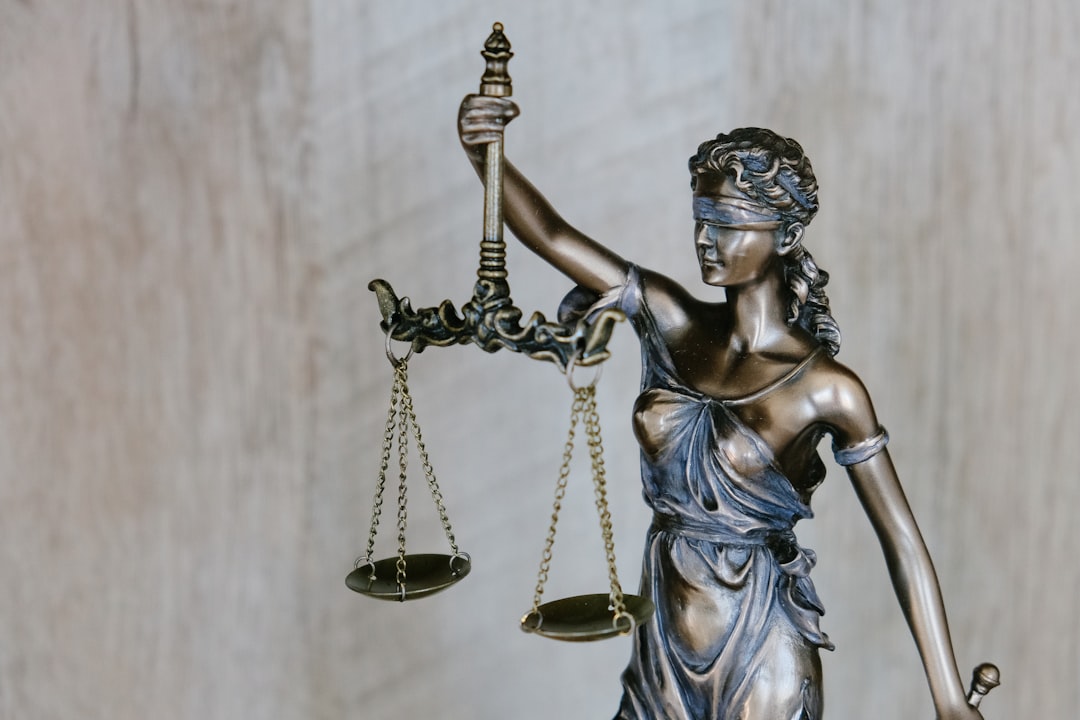
In Minnesota, debt collection harassment laws are designed to protect residents from abusive or unfair practices by debt collectors. These laws, enforced by both state and federal regulations, outline clear guidelines for how debt collectors can interact with individuals. The Fair Debt Collection Practices Act (FDCPA) serves as a federal benchmark, while Minnesota’s own statutes further refine protections for its citizens. A debt collector attorney in Minnesota can offer specialized guidance on navigating these legal frameworks.
Key provisions include restrictions on the time and manner of collections attempts, prohibitions against false or deceptive statements, and mandates for proper validation of debts. For instance, debt collectors cannot call before 8 a.m. or after 9 p.m., use abusive language, or threaten legal action without intention to follow through. They must also provide consumers with the name and address of the collection agency, as well as verify the debt’s validity within a specific timeframe. Violations can lead to substantial damages for affected individuals.
Practical advice for Minnesota residents facing debt collection issues involves documenting all communications, maintaining detailed records of interactions, and promptly reporting any perceived violations to both the collector and relevant regulatory bodies like the Minnesota Attorney General’s Office. Consulting with a debt collector attorney in Minnesota can help ensure rights are protected and provide the best course of legal action if necessary. Staying informed about these laws is crucial for both consumers and industry professionals alike.
What Constitutes Unfair Debt Collector Practices?

Debt collection harassment is a significant concern for many Minnesota residents facing financial difficulties. Understanding what constitutes unfair debt collector practices is crucial to protecting one’s rights under Minnesota law. According to the Minnesota Attorney General, debt collectors must adhere to fair and ethical standards, respecting consumers’ privacy, dignity, and legal rights. Unfair practices can range from aggressive or harassing behavior to false or misleading statements.
For instance, a debt collector in Minnesota cannot call a resident repeatedly at inconvenient times, use abusive language, or threaten legal action without intent to follow through. They are prohibited from providing false information about the amount owed or misrepresenting their identity. Additionally, they must obtain and verify the debt before contacting the consumer, ensuring the debt is legitimate. Violations of these rules can lead to legal repercussions for the debt collector, including lawsuits for damages and attorney fees, as encouraged by the Minnesota Attorney General’s Office.
A debt collector Attorney Minnesota can play a vital role in guiding residents through these complex laws. They can advise on appropriate communication strategies with collectors, help draft cease and desist letters, and take legal action if necessary to stop harassment. Consumers should document all interactions with collectors, noting dates, times, and content of conversations, as this evidence could be crucial in resolving disputes or pursuing legal remedies. By staying informed about their rights and seeking professional advice when needed, Minnesota residents can navigate debt collection processes with confidence and fairness.
Rights of Minnesota Residents: Legal Recourse & Protections

Minnesota residents facing debt collection harassment have legal protections in place to safeguard their rights. These laws are designed to prevent aggressive or abusive practices by debt collectors, ensuring a fair and balanced approach to debt recovery. Under Minnesota law, debt collectors must adhere to specific rules when attempting to collect debts from consumers. Violations of these regulations can lead to legal recourse for individuals who have been subjected to harassment.
One key protection is the prohibition against certain communication methods. Debt collectors in Minnesota are restricted from contacting residents at unusual hours, using abusive or threatening language, or employing misleading tactics. For instance, they cannot call repeatedly with intent to annoy, harass, or abuse, nor can they make false statements about the debt’s status. Additionally, debt collectors must obtain and verify the debt before contacting the consumer, ensuring accuracy and avoiding wrongful harassment.
If a resident believes they have been subjected to illegal debt collection practices, they have options. Consulting with a debt collector Attorney Minnesota can provide valuable guidance on navigating these complex laws. An attorney specializing in this area can help individuals assert their rights, send cease-and-desist letters, or even file lawsuits against abusive collectors. It’s crucial to act promptly as many states, including Minnesota, have strict time limits for filing claims related to debt collection harassment. By understanding and exercising their legal protections, Minnesota residents can ensure a more fair and respectful process during debt resolution.
Navigating Complaints & Enforcement Against Debt Collectors

Navigating Complaints & Enforcement Against Debt Collectors in Minnesota
In Minnesota, debt collection harassment laws are designed to protect residents from unfair and abusive practices by debt collectors. The Minnesota Attorney General’s Office plays a crucial role in enforcing these laws, ensuring that debt collectors adhere to ethical standards. According to recent data, the AG’s office receives hundreds of complaints annually regarding debt collection abuses, highlighting the need for vigilant consumer protection. If you’re facing harassment from a debt collector, understanding your rights and knowing when to take action is essential.
Consumers in Minnesota have several avenues to address debt collection harassment. The first step is to document all interactions with the debt collector, noting dates, times, and details of each communication. Keep records of any threats, false statements, or unwelcome contacts. These documents can serve as powerful evidence if you decide to file a complaint. You can file a formal complaint with the Minnesota Attorney General’s Office, which investigates allegations of unfair debt collection practices. Additionally, consulting with a debt collector attorney Minnesota can provide guidance tailored to your situation. An expert legal perspective can help navigate complex laws and ensure your rights are protected.
Practical advice for consumers includes responding in writing to debt collectors, demanding validation of the debt, and ceasing all communications until verification is provided. If harassment persists, seeking legal counsel promptly is recommended. A debt collector attorney Minnesota can file a lawsuit on your behalf or assist with negotiating a settlement if appropriate. Remember, knowledge is power, and understanding your rights under these laws empowers you to stand up for yourself against abusive collection tactics.